 listicle
Best Commercial Roof Coating Systems: 2026 Guide
Table of Contents
- Types of Commercial Roof Coating Systems
- Comparison Table: Coating Performance and Applications
- Silicone Roof Coating Systems for Durability
- Commercial Roof Coating Cost: What to Expect
- Commercial Roof Coating Lifespan and Maintenance
- Roof Coating for Metal Roofs and Substrate Compatibility
- How to Choose the Right Coating for Your Building
- Frequently Asked Questions
Last Updated: October 12, 2026
Types of Commercial Roof Coating Systems
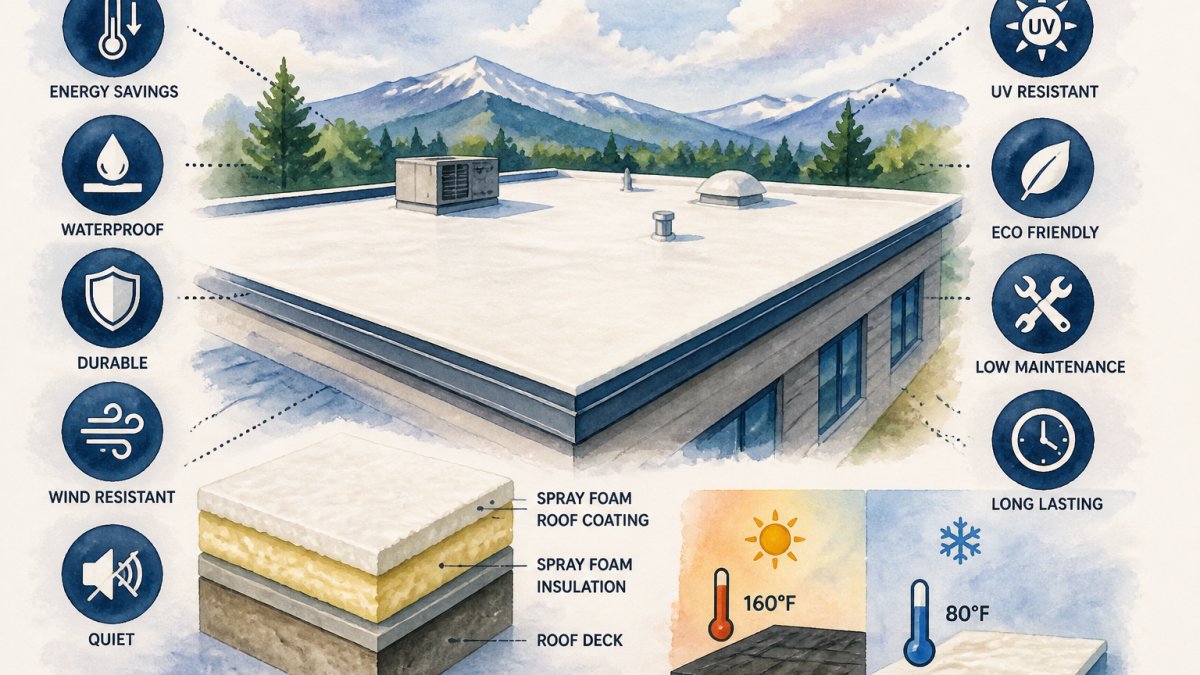
A commercial roof coating system is a liquid-applied protective layer applied over an existing roof membrane to extend its lifespan, improve energy efficiency, and provide weatherproofing. These systems bond to metal, modified bitumen, single-ply membrane, or built-up roofs without requiring complete replacement. At Sun Flex Home Improvement, we've helped property owners across Montana and Northern Wyoming understand how the right commercial roof coating systems can save thousands in restoration costs.
The choice depends on your roof substrate, climate exposure, budget, and performance priorities. Below, we'll walk through the three dominant categories so you can match your building's needs to the right solution.
Silicone Roof Coatings
Silicone coatings stand out for exceptional ponding water resistance and UV durability. Unlike acrylic, silicone maintains its integrity even when water pools on your roof, a common problem in flat-roof commercial buildings.
Silicone roof coating systems typically require a primer base coat for adhesion followed by a silicone top coat for the weatherproofing barrier. Spray application covers large areas quickly, while roller application offers more control around skylights and other penetrations.
Silicone coatings take longer to cure than acrylic, often 7 to 14 days before full water resistance develops.
Silicone coatings typically deliver 15 to 20 years of service life with minimal maintenance. Their reflectivity helps reduce cooling costs, though not as dramatically as acrylic.
Acrylic Roof Coatings
Acrylic coatings deliver the highest solar reflectance of any commercial roof coating systems, making them the top choice for energy efficiency.
Acrylic systems cure faster than silicone, typically reaching water resistance within 24 to 48 hours, which matters when weather windows are tight.
Here's where acrylic falls short: moisture sensitivity. If your roof substrate holds moisture from previous leaks, condensation, or ground water vapor, acrylic coatings can blister or peel because they trap moisture underneath. The substrate must be completely dry before application.
Acrylic coatings also degrade faster than silicone under prolonged ponding, though they work excellently on sloped roofs with good drainage. Typical service life runs 10 to 15 years depending on climate and maintenance.
A common mistake is assuming white coatings are automatically better. For cooling-dominant climates, acrylic's energy savings justify it; for moisture-prone roofs or drainage challenges, silicone's water resistance outweighs the reflectivity advantage.
Polyurethane and Elastomeric Coatings
Polyurethane coatings occupy the middle ground: excellent adhesion, flexibility, and chemical resistance without acrylic's ponding limitations or silicone's extended cure time. Elastomeric coatings expand and contract with temperature fluctuations, accommodating the thermal movement common in metal roofs and regions with extreme seasonal swings.
These coatings excel on metal roofs, where thermal cycling stresses the coating bond. The elasticity prevents cracking and maintains the seal as the substrate expands and contracts.
Polyurethane and elastomeric systems typically require two coats: a base layer for adhesion and a top coat for weather protection. Dry-film thickness ranges from 20 to 40 mils; thicker applications last longer but increase material cost and labor time.
The trade-off: polyurethane costs more than acrylic and cures slower than both acrylic and some silicone formulations, and it demands precise surface preparation. For agricultural buildings exposed to hail and extreme temperature swings, the flexibility and durability justify the investment.
Comparison Table: Coating Performance and Applications
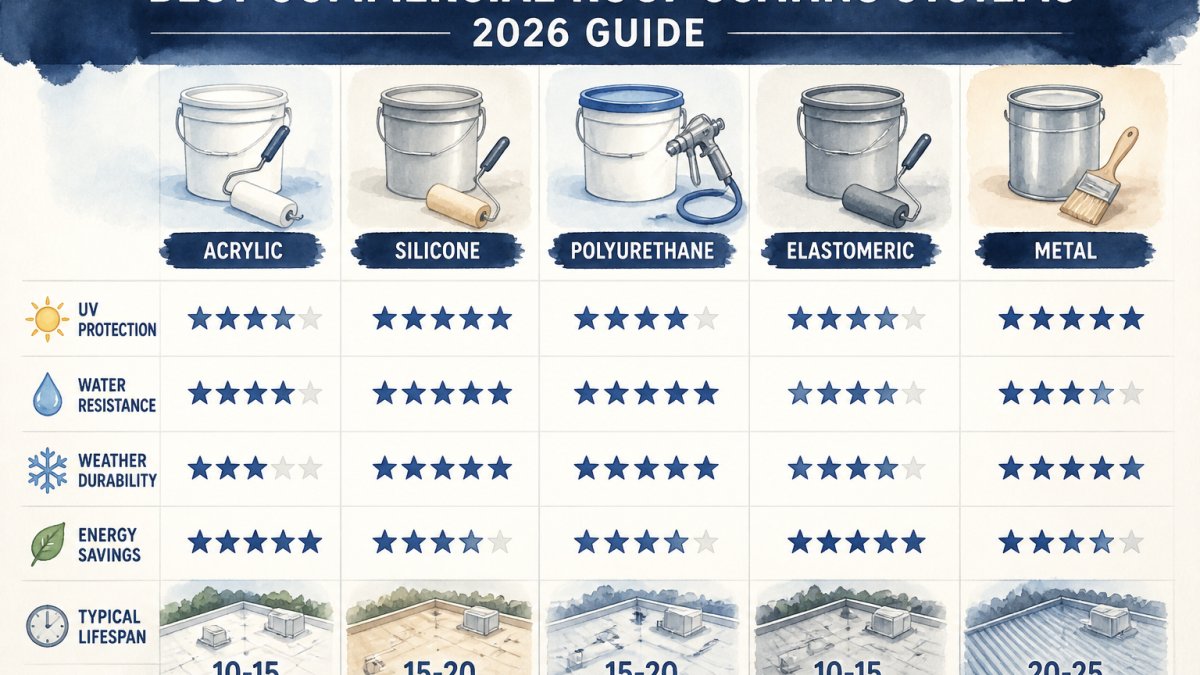
Understanding how each commercial roof coating system performs across key metrics helps you eliminate options quickly.
| Coating Type | UV Resistance | Ponding Water Resistance | Solar Reflectance | Typical Lifespan | Best Substrate | Cure Time |
|---|---|---|---|---|---|---|
| Silicone | Excellent | Excellent | Moderate (55-65%) | 15-20 years | Modified bitumen, built-up roof | 7-14 days |
| Acrylic | Good | Fair | High (70-85%) | 10-15 years | Sloped roofs, metal roof | 24-48 hours |
| Polyurethane | Very Good | Very Good | High (70-80%) | 12-18 years | Metal roof, single-ply membrane | 3-7 days |
| Elastomeric | Very Good | Very Good | Moderate-High (65-75%) | 12-18 years | Metal roof, thermal cycling | 3-7 days |
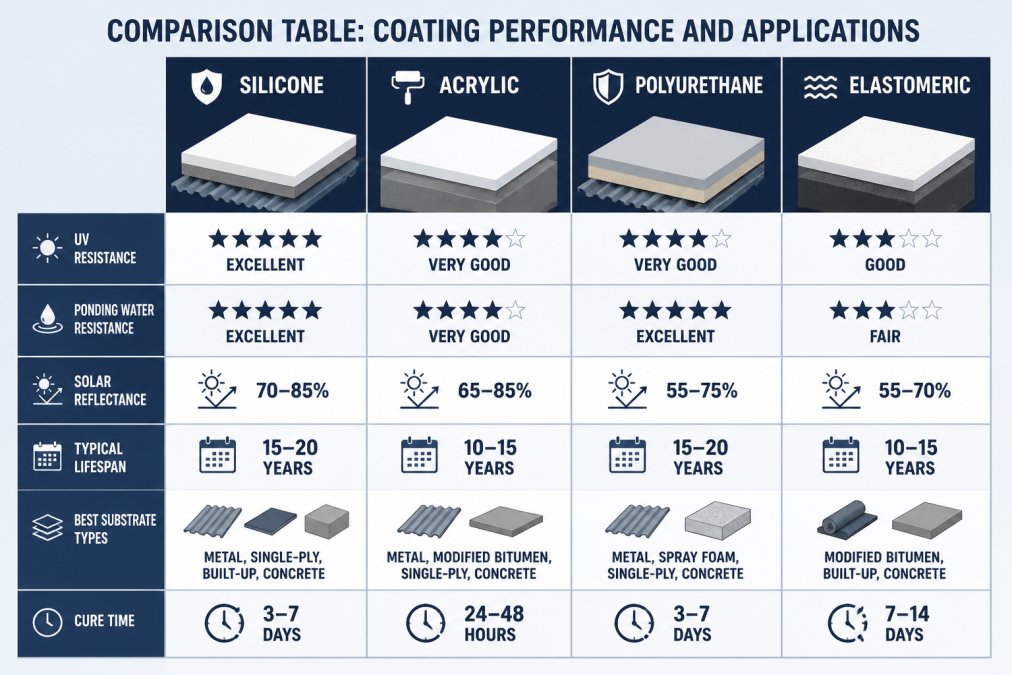
No single coating dominates every application. Silicone wins on water resistance but sacrifices reflectivity. Acrylic maximizes energy savings but demands perfect substrate conditions. Polyurethane and elastomeric coatings balance performance across multiple dimensions.
Silicone Roof Coating Systems for Durability
Silicone roof coating systems stand as the longest-lasting option for commercial buildings with moisture challenges. The coating resists UV degradation and maintains flexibility for years, preventing the brittleness that affects acrylic in harsh sunlight.
When moisture is your primary concern, whether from snowmelt, spring rains, or chronic drainage issues, silicone's ponding water resistance becomes invaluable. It allows moisture to migrate through while preventing new water from entering, making silicone the preferred choice for flat commercial roofs.
Application method influences durability. Spray application achieves uniform coverage and consistent dry-film thickness, while roller application works for smaller areas or detail work.
Surface preparation distinguishes a quality silicone installation. The existing roof must be clean, dry, and free of contaminants, since dirt, algae, or residual coating prevents proper bonding. Professional contractors pressure-wash the roof, allow it to dry completely, and often apply a primer.
Commercial Roof Coating Cost: What to Expect
Pricing for commercial roof coating systems depends on roof size, substrate condition, coating type, and regional labor rates.
Substrate preparation influences cost most. If your existing roof requires pressure washing, crack repair, or primer application, labor increases significantly. Many property owners face sticker shock not from the coating itself, but from the prep work necessary for proper adhesion.
Material selection also drives budget. Silicone costs more per gallon than acrylic but delivers longer service life and better water resistance. Acrylic offers lower upfront cost but requires more frequent recoating; over 15 years, silicone often proves more economical.
Sun Flex Home Improvement provides free estimates that break down material costs, labor, timeline, and projected service life. This transparency helps you understand where your money goes and make informed decisions.
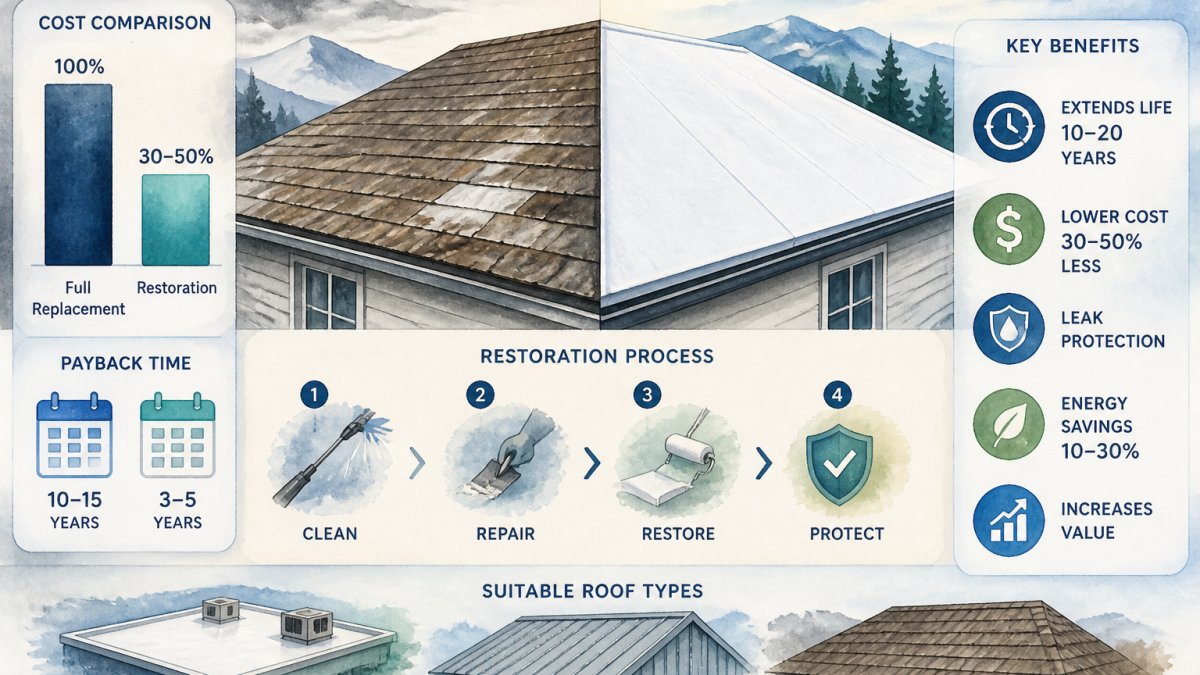
The real savings emerge when you compare coating restoration to full roof replacement.
Commercial Roof Coating Lifespan and Maintenance
Service life for commercial roof coating systems ranges from 10 to 20 years depending on coating type, climate exposure, and maintenance frequency. Silicone systems reach the upper end, acrylic the lower end, and polyurethane and elastomeric coatings split the difference.
Maintenance preserves this lifespan. Annual inspections catch cracks and thin spots before they become leaks, pressure washing removes algae and debris that accelerate degradation, and repainting high-traffic or weather-exposed sections extends system life.
Seasonal maintenance matters. Spring inspection after snowmelt reveals freeze-thaw damage, and fall preparation ensures the coating is in peak condition before winter. These proactive steps cost far less than emergency repairs or premature replacement.
Recoating is often possible before full replacement becomes necessary. If your coating shows age but the substrate remains sound, a fresh top coat adds 5 to 10 years of protection at significantly less cost than replacing the entire system.
Roof Coating for Metal Roofs and Substrate Compatibility
Metal roofs present unique challenges for commercial roof coating systems. Thermal expansion and contraction create stress that rigid coatings can't accommodate, which is why flexible polyurethane and elastomeric coatings outperform acrylic on metal substrates.
Adhesion to metal requires proper surface preparation. Rust, mill scale, and oxidation must be removed through grinding, wire brushing, or chemical treatment, and a primer designed for metal bonding ensures strong adhesion.
Metal roofs also experience condensation that acrylic coatings struggle with, since metal conducts temperature changes rapidly and causes water vapor to condense on the underside. Polyurethane and elastomeric systems handle this moisture migration better, making them the logical choice for metal roof restoration.
The key is matching the coating's flexibility and moisture tolerance to your substrate.
For agricultural buildings with metal roofs, elastomeric coatings withstand hail impact, temperature swings, and seasonal moisture. The flexibility prevents cracking when hail strikes, ensuring years of protection.
How to Choose the Right Coating for Your Building
Selecting the best commercial roof coating systems requires evaluating three variables: climate, existing roof substrate, and long-term maintenance philosophy.
Climate and Weather Considerations
Heavy spring snowmelt, hail storms, freeze-thaw cycles, and extreme temperature swings eliminate some coating options and favor others.
If ponding water is common on your roof, whether from flat design or poor drainage, silicone coatings are non-negotiable. Their resistance to standing water prevents the blistering and peeling acrylic suffers, making silicone the practical choice for most flat commercial roofs.
For buildings with intense summer sun and minimal standing water, acrylic's solar reflectance becomes valuable, provided your roof substrate is dry and well-drained.
Hail exposure favors elastomeric and polyurethane coatings, whose flexibility absorbs impact without cracking and maintains the waterproof seal after severe weather. Agricultural buildings benefit from this resilience.
Existing Roof Surface and Preparation
Before selecting a coating, assess your roof substrate honestly. Is it dry? Are there visible leaks or moisture stains? Has previous coating failed or peeled?
Wet substrates eliminate acrylic immediately, since the coating will blister. Silicone becomes the default choice until the moisture issue is resolved. Polyurethane and elastomeric coatings tolerate some residual moisture better but still perform best on dry surfaces.
Existing coating condition matters. If old coating is peeling or failing, you may need to strip it completely and apply primer, adding cost and time but ensuring proper bonding. A contractor's inspection reveals whether this step is necessary or whether surface cleaning suffices.
Metal roofs require different preparation than membrane roofs: rust must be removed and primer selection becomes critical, while membrane roofs need careful cleaning and often a base coat before the top coat.
Warranty and Long-Term Protection
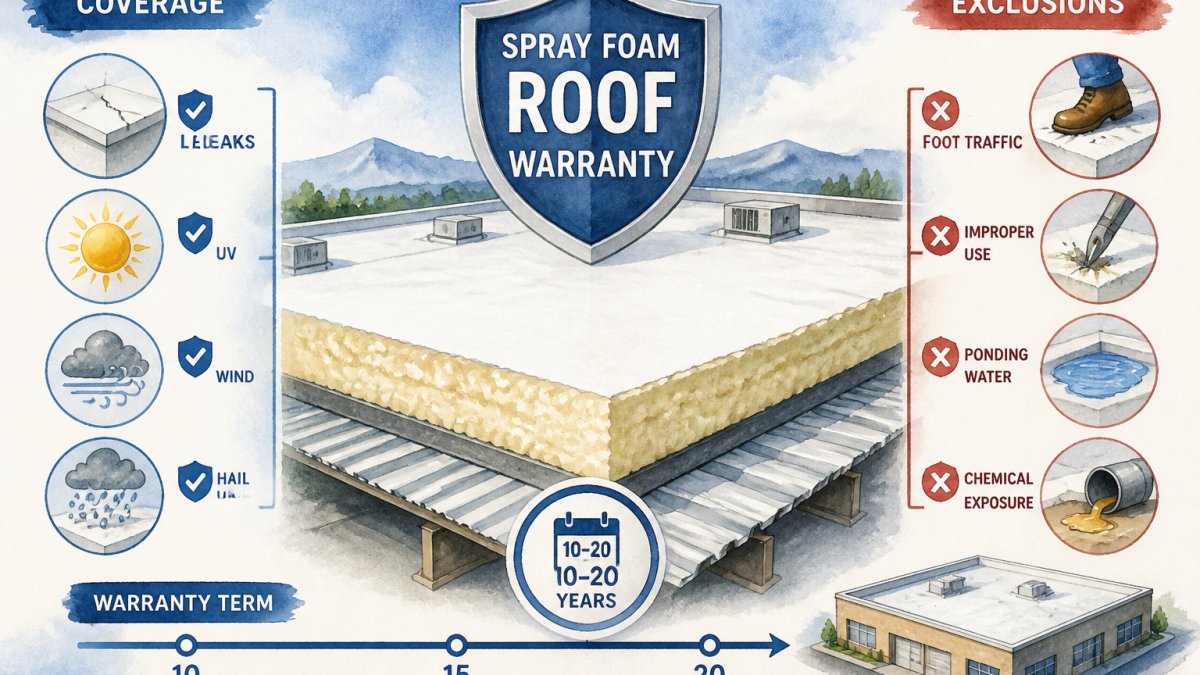
Most commercial roof coating systems carry warranties ranging from 5 to 15 years, depending on product and contractor. Read terms carefully: they often exclude damage from poor maintenance, extreme weather, or substrate defects.
A warranty is only valuable if the contractor remains in business and the manufacturer honors claims. Local contractors with strong references provide accountability when issues arise.
Sun Flex Home Improvement backs its work with warranties that reflect our commitment to quality.
Choosing the right commercial roof coating systems protects your building investment while deferring expensive replacement costs. Silicone excels for moisture-prone roofs, acrylic maximizes energy efficiency on well-drained surfaces, and polyurethane or elastomeric coatings balance performance for metal roofs and thermal cycling.
Sun Flex Home Improvement has spent over 25 years helping property owners across Montana and Northern Wyoming make these decisions with confidence.
Frequently Asked Questions
How long does a commercial roof coating last?
Commercial roof coating lifespan varies by type. Silicone coatings typically last 20-25 years with proper maintenance, while acrylic coatings generally last 10-15 years. Polyurethane systems can reach 15-20 years. Lifespan depends on climate, UV exposure, foot traffic, and maintenance frequency. Regular inspections and recoating when needed can extend the life of your commercial roof coating system significantly.
What's the difference between silicone and acrylic roof coatings?
Silicone roof coating excels in moisture resistance and durability, making it ideal for wet climates and ponding-water areas. It typically lasts 20-25 years but costs more upfront. Acrylic roof coating is more affordable and offers good UV protection, lasting 10-15 years. Acrylic is water-based and easier to apply but less resistant to standing water. Choose silicone for long-term durability in challenging weather; choose acrylic for budget-conscious projects in drier climates.
Can you apply roof coating over an existing roof?
Yes, most commercial roof coatings can be applied over existing roofs if the substrate is properly prepared. Surface preparation is critical: the roof must be clean, dry, and free of debris, loose material, and algae. Some coatings work on metal roofs, modified bitumen, single-ply membranes, and built-up roofs. However, severely damaged roofs may require repairs first. Always verify compatibility between your existing roof type and the coating system before application.
How much does commercial roof coating cost?
Commercial roof coating cost depends on several factors: roof size, existing condition, coating type, application method, and labor rates. Pricing varies significantly based on your location and project scope. For accurate pricing specific to your building, contact a professional contractor for a quote. Many property owners find that coating restoration costs substantially less than full roof replacement, potentially saving up to half the cost of a new roof.