 listicle
Benefits of Spray Foam Roofing: What Homeowners Need to Know
Table of Contents
- What Is Spray Polyurethane Foam Roofing?
- Energy Efficiency and Lower Heating and Cooling Costs
- Spray Foam Roofing Pros and Cons: A Balanced Look
- Spray Foam Roof Lifespan and Durability
- Spray Foam Roof Cost and Return on Investment
- Spray Foam Roof Maintenance Requirements
- Is Spray Foam Roofing Right for Your Property?
- Frequently Asked Questions
Last Updated: October 10, 2026
What Is Spray Polyurethane Foam Roofing?
Spray polyurethane foam (SPF) roofing is a seamless insulation system applied directly to your existing roof structure. The system forms from two liquid components, polyol resin and isocyanate, that combine and expand when sprayed, creating a solid foam layer that bonds to the roof deck and hardens into a protective barrier. At Sun Flex Home Improvement, we've helped property owners across Montana and Northern Wyoming understand the benefits of spray foam roofing and how they compare to traditional roofing materials.
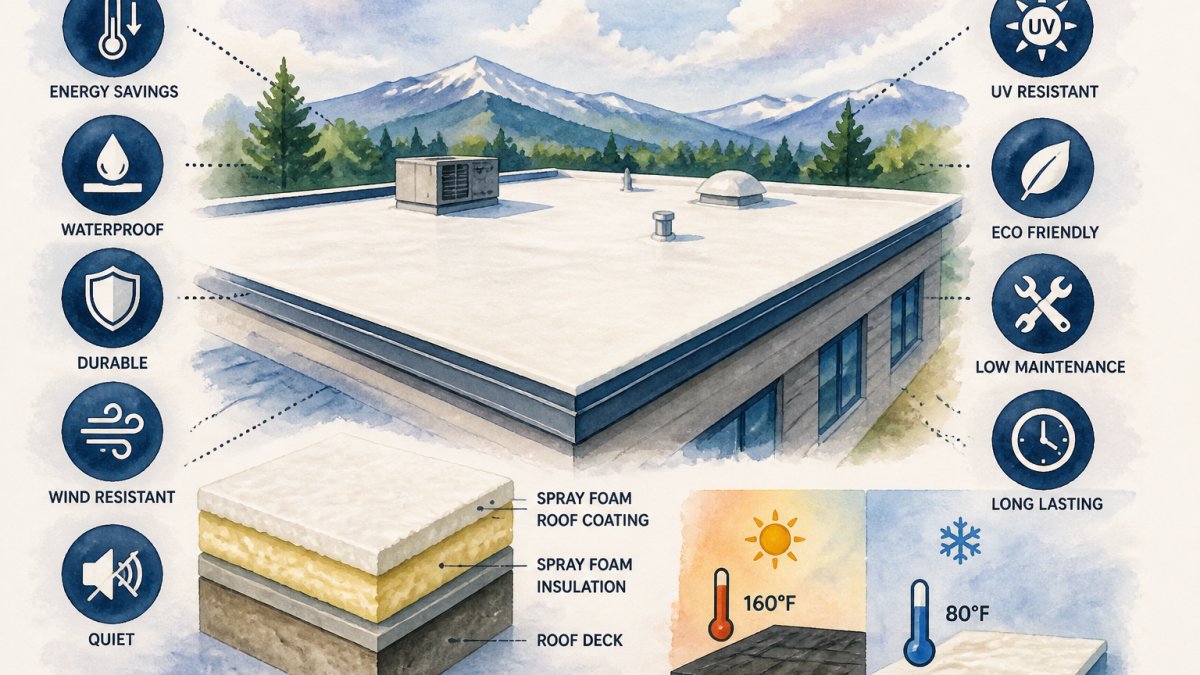
SPF roofing creates a monolithic, seamless surface with no joints or seams where water can penetrate. Once cured, the foam is topped with a protective coating that shields it from UV damage and weathering. This approach to roof restoration has become increasingly popular because it addresses multiple building performance challenges at once: energy loss, moisture intrusion, and structural durability. Unlike asphalt shingles or metal roofing, spray foam adapts to the exact contours of your roof, sealing around HVAC penetrations, vents, and parapet walls without requiring separate flashing details.
The system works particularly well for roofs with complex geometry or multiple penetrations. Where traditional roofing methods require careful flashing and multiple materials, spray foam fills and seals everything in a single application. This is one reason building owners and roofing professionals have increasingly turned to SPF for both residential restoration and commercial applications.
Energy Efficiency and Lower Heating and Cooling Costs
Spray foam roofing delivers significant thermal performance because it functions as both insulation and a weather barrier. The foam itself has high R-value, meaning it resists heat transfer effectively. This matters directly to your heating and cooling expenses: a well-insulated roof reduces the energy your HVAC system must expend to maintain consistent indoor temperatures.
The energy efficiency benefit comes from two sources. First, the foam's cellular structure traps air, creating insulation that slows heat movement between your interior and the outdoor environment. Second, the seamless application eliminates air leakage points that traditional roofing systems can't fully seal. Small gaps around penetrations, seams, and transitions add up across a roof's surface. Spray foam closes these gaps entirely.
Property owners report noticeable reductions in heating costs during winter months and cooling costs during summer. The degree of savings depends on your climate, existing insulation, roof condition, and how much of your roof's surface area receives direct sunlight. In Montana and Northern Wyoming, where heating demands are significant during winter, the thermal barrier benefit translates to meaningful utility bill reductions year-round.
Spray Foam Roofing Pros and Cons: A Balanced Look
Understanding both advantages and limitations helps you make an informed decision about whether spray foam roofing suits your property.
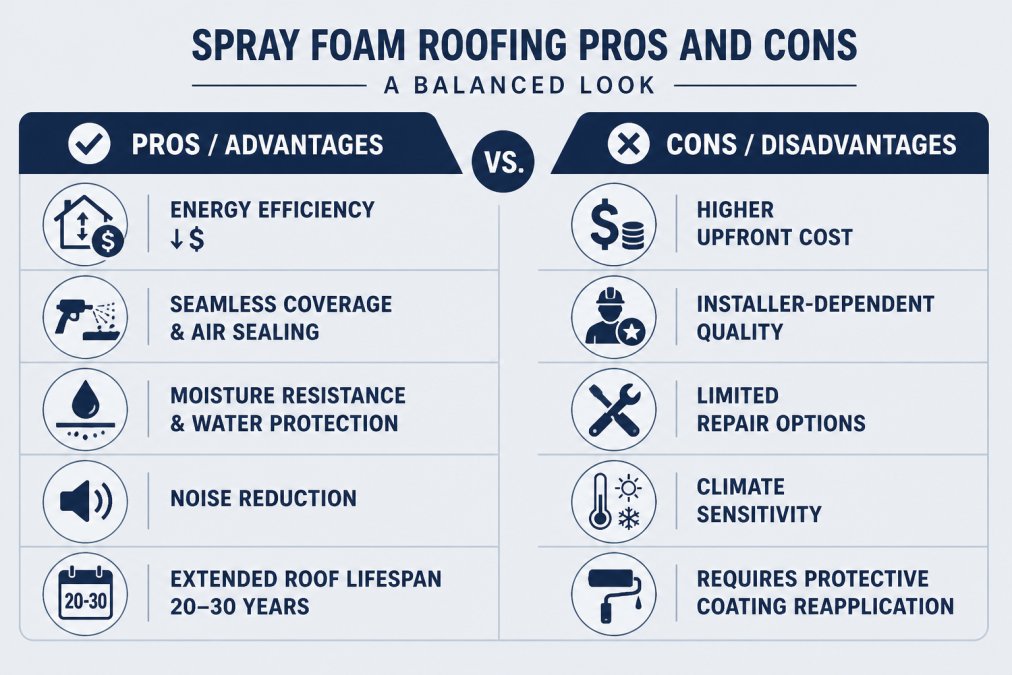
Key Advantages
Seamless coverage and air sealing. Spray foam creates a monolithic layer with no seams, joints, or transitions where air can leak or water can penetrate. This is particularly valuable for roofs with complex geometry, multiple penetrations, or difficult transitions.
Moisture resistance and water protection. The foam itself is hydrophobic, it resists water absorption. Combined with a protective coating, spray foam roofing provides a watertight barrier against rain, snow melt, and moisture intrusion.
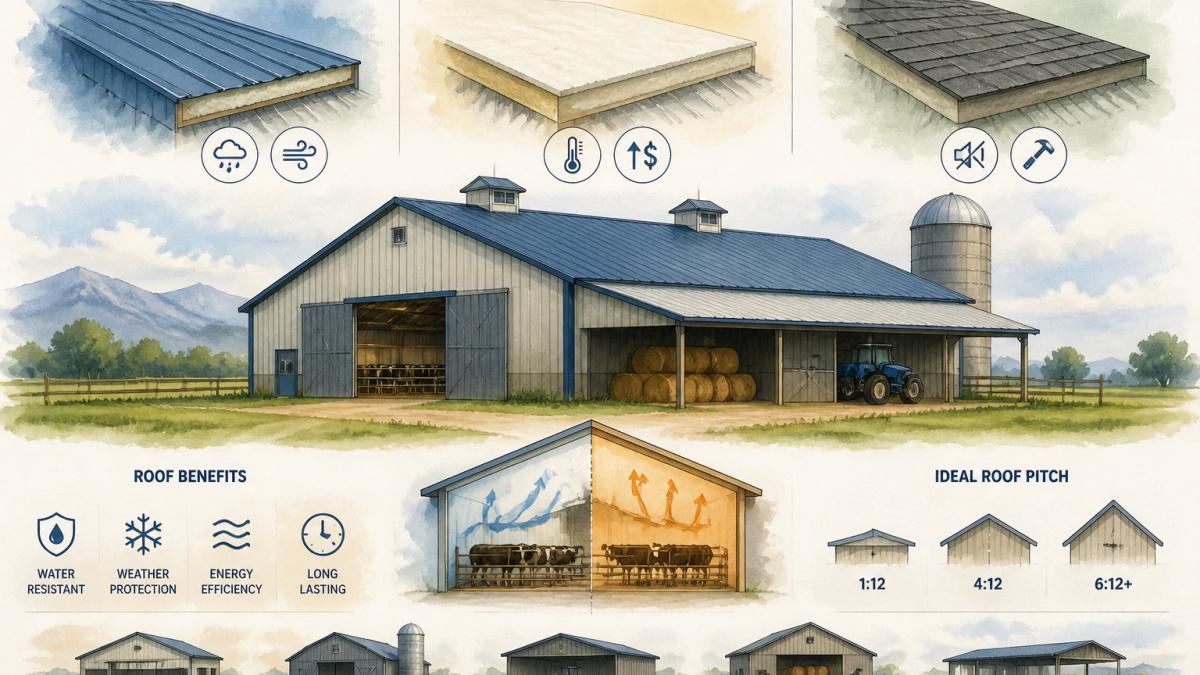
Noise reduction. The foam's cellular structure absorbs sound, reducing noise from rain, hail, and external traffic. This benefit is particularly noticeable in commercial buildings, agricultural structures, and residential properties near highways or airports.
Extended roof lifespan. Spray foam roofing systems typically last 20-30 years with proper maintenance. This extends the life of your existing roof structure by protecting it from UV exposure, weather damage, and moisture intrusion. Many property owners choose spray foam restoration specifically because it delays or eliminates the need for complete roof replacement.
Cost-effective restoration alternative. Spray foam roofing can cost substantially less than tearing off and replacing an entire roof. Sun Flex Home Improvement has helped property owners save up to half the cost of complete roof replacement by restoring their existing structure with spray foam and a protective coating.
Important Drawbacks
Installer-dependent quality. Spray foam application requires skill and precision. The foam must be applied at the correct temperature, pressure, and thickness. Poor application can result in inconsistent coverage, inadequate density, or incomplete sealing. This means your contractor's experience and attention to detail directly affect system performance.
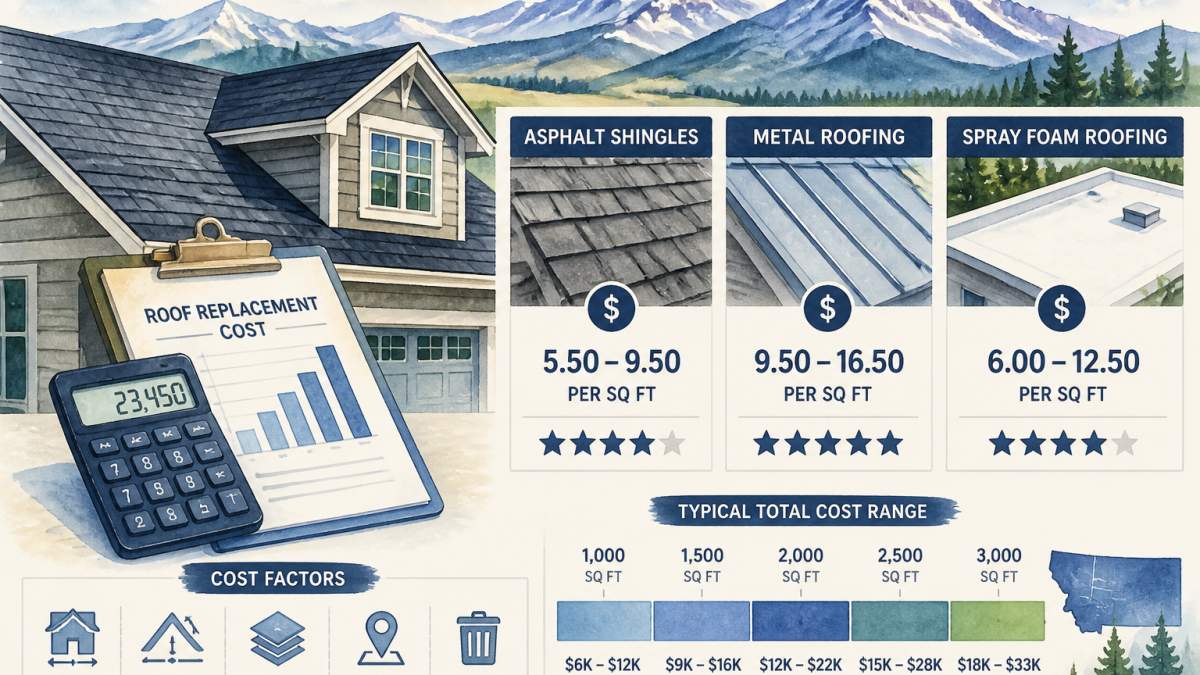
Higher upfront cost. While spray foam costs less than complete roof replacement, the initial investment is higher than some alternative restoration methods. The cost depends on roof size, complexity, existing conditions, and local labor rates.
Limited repair options. If damage occurs to a spray foam roof, repairs can be more complicated than patching traditional roofing. Small punctures or damage to the protective coating must be addressed promptly to prevent moisture infiltration. This is why maintenance and regular inspections matter.
Climate and weather sensitivity. While spray foam performs well in most climates, extreme conditions matter. In areas with severe hail storms or high-impact weather events, the foam itself is vulnerable to puncturing or impact damage. The protective coating provides some defense, but large hail or debris impact can compromise the system.
Protective coating maintenance. The topcoat that protects foam from UV damage requires periodic inspection and reapplication. Neglecting coating maintenance accelerates foam degradation. This is a manageable maintenance task, but it's an ongoing responsibility.
Spray Foam Roof Lifespan and Durability
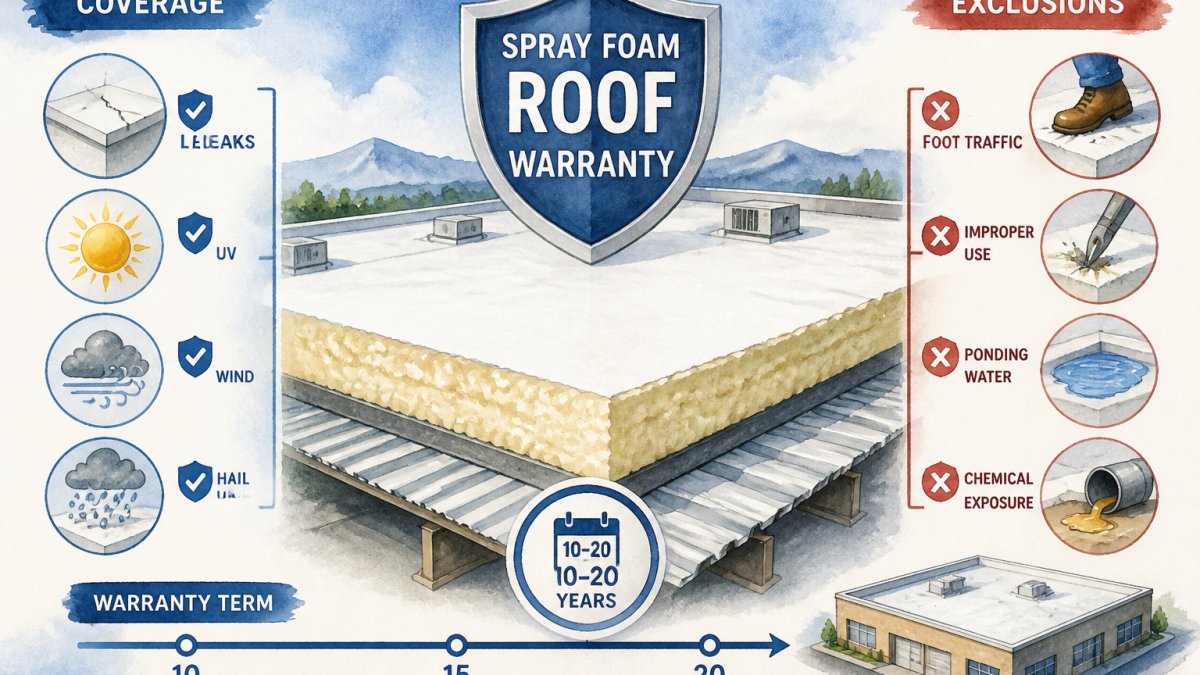
A properly installed and maintained spray foam roofing system typically lasts 20-30 years. This lifespan matches or exceeds many traditional roofing materials and represents a significant extension of your existing roof structure's useful life.
The durability depends on three factors: installation quality, protective coating condition, and maintenance. A well-applied foam system with a quality topcoat and regular inspections can reach the upper end of that range. Systems that receive poor installation, inadequate coating maintenance, or no preventive care tend toward the lower end.
The foam itself is durable and resistant to moisture damage. What degrades over time is the protective coating that shields the foam from UV radiation and weathering. Recoating the surface every 10-15 years maintains protection and extends system life. This is far less invasive than roof replacement and costs a fraction of a new roof installation.
Your property's climate and exposure affect durability. Roofs with significant sun exposure age faster than those in shaded areas. Roofs in areas with extreme temperature swings, heavy precipitation, or frequent hail experience more stress. In Montana and Northern Wyoming, winter snow load and spring melt cycles create real durability challenges. A quality installation with proper drainage design and regular maintenance handles these conditions well.
Spray Foam Roof Cost and Return on Investment
Spray foam roofing costs less than complete roof replacement but more than some alternative restoration methods. The actual cost depends on roof size, existing conditions, complexity, and regional labor rates. Rather than stating a specific price that may not reflect your situation, we recommend contacting Sun Flex Home Improvement for a detailed, property-specific estimate.
The return on investment comes from multiple sources. Energy savings reduce your utility bills immediately and compound over the system's 20-30 year lifespan. Extended roof life delays the expense of complete replacement, often by 15-20 years. Reduced maintenance costs on a restored roof versus an aging original roof also contribute to overall value.
Consider the lifecycle cost, not just the upfront price. A spray foam restoration that costs less than replacement but lasts 25 years delivers better value than a cheaper alternative that fails in 10 years and requires additional repairs or replacement sooner.
Spray Foam Roof Maintenance Requirements
Spray foam roofing requires less maintenance than traditional roofing but more attention than a "set it and forget it" approach suggests.
Annual inspections. Walk your roof annually or after severe weather events. Look for damage to the protective coating, standing water, debris accumulation, or signs of wear. Small issues caught early are inexpensive to address. Ignored problems become expensive failures.
Coating condition monitoring. The topcoat protects foam from UV damage. If you notice chalking, color fading, or areas where the coating appears thin, plan for recoating. Most systems need recoating every 10-15 years, depending on climate and sun exposure.
Drainage maintenance. Ensure gutters, downspouts, and roof drains remain clear. Standing water accelerates coating degradation and can lead to moisture problems. This is basic roof maintenance that applies to any roofing system.
Debris removal. Remove leaves, branches, and other debris that accumulates on the roof. These materials trap moisture and can damage the coating over time.
Professional inspections. Have a qualified roofing contractor inspect your foam roof every 3-5 years. They can identify coating wear, assess recoating needs, and address small issues before they become problems. Sun Flex Home Improvement offers inspection and maintenance services to keep your system performing optimally.
Damage repair. Address punctures, impact damage, or coating damage promptly. Small repairs prevent water intrusion and extend system life.
Is Spray Foam Roofing Right for Your Property?
Spray foam roofing works well for many properties but isn't the optimal choice for every situation.
Best suited for: Properties with complex roof geometry, multiple penetrations, or difficult transitions that make traditional roofing challenging to seal. Existing roofs in reasonably good structural condition where replacement isn't yet necessary. Properties where energy efficiency and long-term durability justify the upfront investment. Commercial buildings, agricultural structures, and residential properties where extended roof life and reduced maintenance appeal to owners.
Less ideal for: Roofs that have already failed structurally and require replacement. Properties where the lowest possible upfront cost is the only decision factor. Situations where the roof will be replaced or significantly altered within 5-10 years. Properties in climates with extreme hail exposure where impact damage is a frequent concern.
The best way to determine if spray foam roofing makes sense for your property is to have a qualified contractor assess your specific situation. Sun Flex Home Improvement provides free estimates that evaluate your roof's condition, identify the best restoration approach, and explain the benefits and trade-offs specific to your property.
The benefits of spray foam roofing include extending roof life, improving energy efficiency, and avoiding the cost of complete replacement for property owners. The system's seamless design, thermal performance, and durability make it an attractive option for residential and commercial properties across Montana and Northern Wyoming.
Frequently Asked Questions
How long does a spray foam roof last?
Spray polyurethane foam roofing typically lasts 20 to 30 years with proper maintenance and protective coatings. The lifespan depends heavily on installation quality, climate conditions, and how well the roof is maintained. Regular inspections and recoating every 10 to 15 years can extend durability significantly. In harsh climates with extreme temperature swings or heavy hail, lifespan may be shorter if the foam and protective coating are not properly applied.
Can spray foam roofing lower energy bills?
Yes, spray foam roofing can reduce energy consumption by sealing air leaks and providing high insulation value (R-value typically between 6 and 7 per inch). This reduces heat transfer through the roof, lowering both heating and cooling costs. The amount you save depends on your current roof condition, local climate, and how much your HVAC system currently works. Many property owners see measurable reductions on utility bills, though exact savings vary based on building size and usage patterns.
Does spray foam roofing help prevent leaks?
Spray foam creates a seamless, monolithic barrier that seals difficult roof penetrations, transitions, HVAC stands, vents, and parapet walls without seams or joints. This seamless coverage prevents water intrusion at vulnerable points where traditional roofing materials often fail. However, protection depends on proper installation, adequate protective coating, and regular maintenance. If the foam or coating is damaged or improperly applied, leaks can still occur.
What are the disadvantages of spray foam roofing?
Key drawbacks include higher upfront installation costs compared to some alternatives, quality heavily dependent on installer expertise, difficulty repairing damaged sections (entire areas may need recoating), sensitivity to UV exposure without protective coatings, and potential moisture issues if not properly installed. Additionally, some climates with extreme temperature fluctuations or heavy hail impact may see reduced lifespan. Proper contractor selection and ongoing maintenance are essential to avoid costly problems.