 how-to
How to Extend Asphalt Roof Coating Lifespan
Last Updated: October 24, 2026
Quick Summary
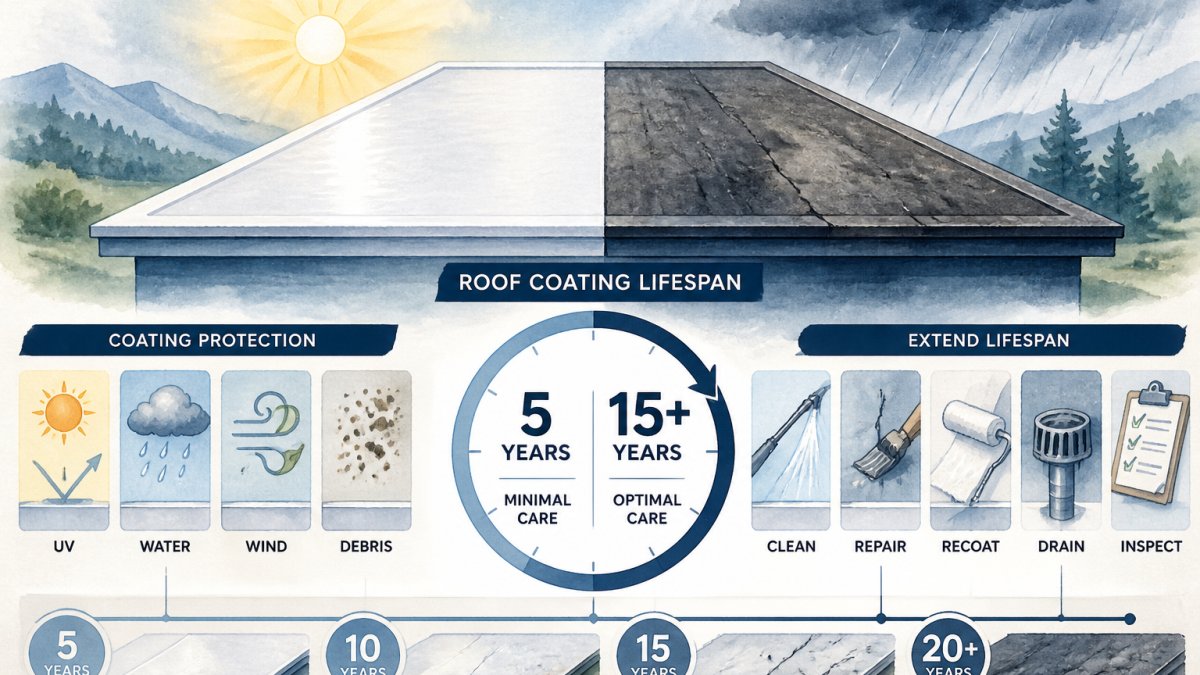
A roof coating lifespan on asphalt shingles typically ranges from 10 to 20 years, depending on coating type, climate, and application quality. Better preparation, quality installation, and regular maintenance push your coating toward that 20-year mark; skip those steps and you're looking at the lower end of the range.
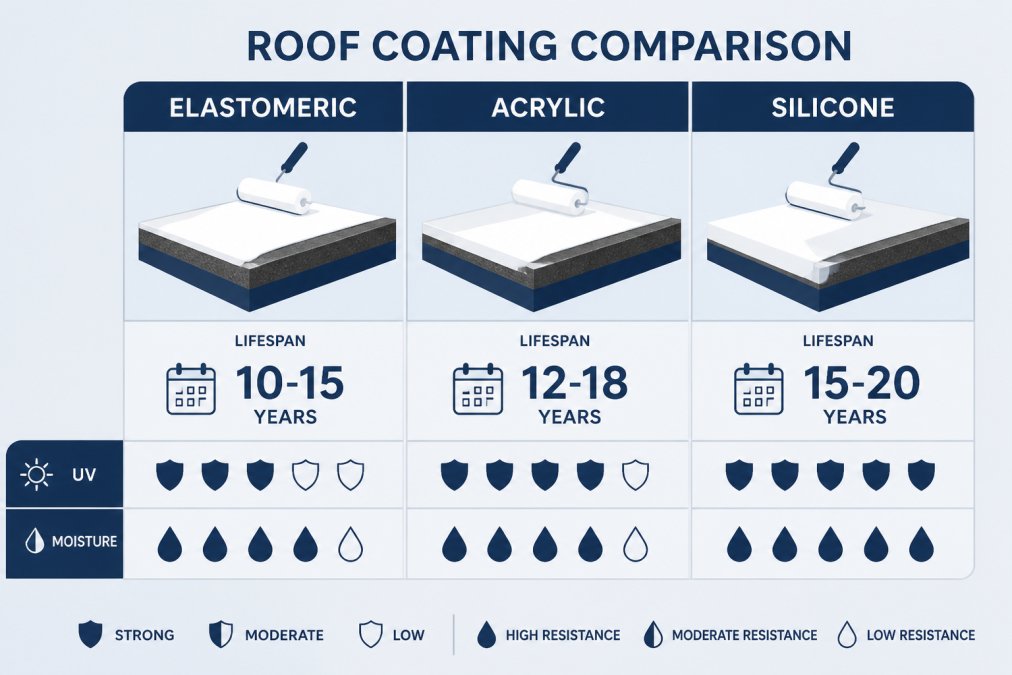
- Acrylic coatings last 10-15 years, elastomeric 12-18 years, and silicone 15-20 years.
- Poor surface preparation and rushed application can reduce coating lifespan to 5-7 years.
- Inspect your coating twice yearly and have professional inspections every 3-5 years.
- Recoat when the coating is worn but shingles are sound; replace when decking is saturated or shingles are severely damaged.
- Water no longer beading, chalking, crazing, or blistering are signs the coating is failing.
Table of Contents
- Understanding Roof Coating Lifespan on Asphalt Shingles
- Can You Coat Asphalt Shingles and Should You
- Key Factors That Affect How Long Roof Coating Lasts
- Does Roof Coating Stop Leaks on Asphalt Roofs
- How Often to Recoat an Asphalt Roof
- Roof Coating vs Roof Replacement: Which Makes Sense
- Getting Your Asphalt Roof Coating Inspected and Maintained
- Frequently Asked Questions
Understanding Roof Coating Lifespan on Asphalt Shingles
A roof coating lifespan on asphalt shingles typically ranges from 10 to 20 years, depending on coating type, climate, and application quality.
Better preparation, quality installation, and regular maintenance push your coating toward that 20-year mark; skip those steps and you're looking at the lower end of the range.
Asphalt roofs are vulnerable to UV damage, moisture penetration, and thermal expansion.
Can You Coat Asphalt Shingles and Should You
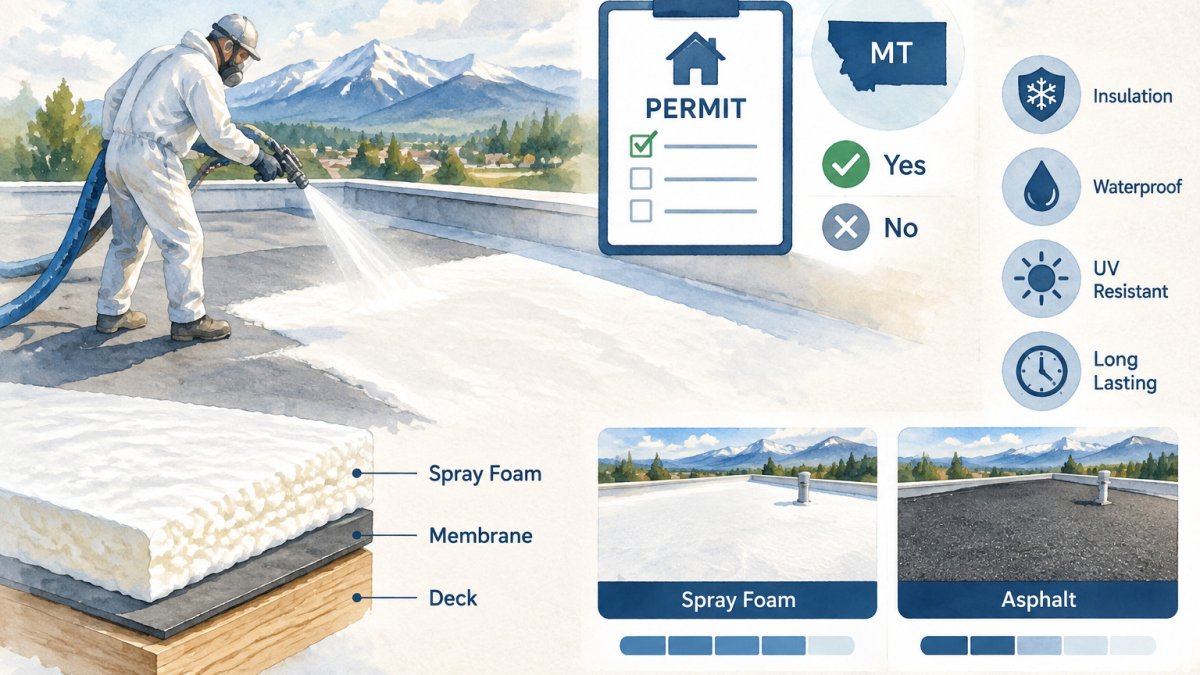
Yes, you can apply a coating to asphalt shingles. The real question is whether you should, since not every roof benefits.
Coating works best when shingles are still structurally sound. If they're curling, missing granules, or cracked, coating masks the problem temporarily but can't repair compromised shingles.
Here's when coating makes sense:
- Shingles are in fair to good condition with no major damage
- You need to extend roof life for 10-20 years
- Budget for full replacement isn't available right now
Here's when you should skip coating:
- Shingles are severely damaged, missing sections, or curling badly
- Multiple leaks suggest structural failure beyond surface issues
- The roof is near the end of its natural lifespan anyway
NRCA guidance on roof coatings recommends assessing shingle condition before committing to any coating system.
Key Factors That Affect How Long Roof Coating Lasts
Three factors dominate how long your roof coating lasts: the coating material, your climate, and application quality.
Coating Type and Material Selection
Elastomeric coatings stretch and flex with roof movement. Acrylic coatings are water-based and budget-friendly but typically last 10-15 years. Silicone coatings resist UV and moisture exceptionally well, often lasting 15-20 years, but cost more upfront.
The coating system matters as much as the base material. A single-coat application fails faster than a multi-coat system.
Climate and Weather Exposure
Your location determines how aggressively your coating deteriorates.
UV rays break down coating polymers, and high-altitude regions experience more intense UV exposure, accelerating degradation.
Temperature swings cause expansion and contraction.
Moisture from snowmelt, rain, and humidity is the silent killer.
Hail impacts puncture and crack coatings; a severe event can damage a coating that otherwise had years of life remaining.
Application Quality and Surface Preparation
Most coating failures start with poor preparation. Even premium coating installed incorrectly will fail within 5-7 years.
Surface preparation determines adhesion. Dirty, algae-covered, or greasy shingles reject coating, which sits on top like water on wax and peels within months.
Drying time between coats matters. Applying topcoat before the base coat fully cures traps moisture and causes blistering and peeling.
Application thickness affects longevity. Thin coats fail faster.
Weather during application impacts cure time.
Does Roof Coating Stop Leaks on Asphalt Roofs
A quality roof coating stops most active leaks. It seals minor cracks, fills gaps, and creates a waterproof barrier, often solving small leaks caused by surface damage.
But coating doesn't fix structural failures.
Common leak sources coating can address:
- Surface cracks in shingles
- Small punctures from debris
- Failed caulk around penetrations
Common leak sources coating cannot fix:
- Rotted decking or framing
- Failed flashing around chimneys or vents
- Missing shingles or large damaged sections
The NRCA resource on leak diagnosis recommends identifying the leak source before choosing a repair strategy.
Think of coating as a preventive seal, not a cure for advanced deterioration.
How Often to Recoat an Asphalt Roof
Most asphalt roof coatings need recoating every 10-15 years, and some premium silicone systems stretch toward 20 years. But that range is a planning number, not a schedule. The practical question is what to check, when, and what tells you it's time.
A Practical Inspection and Recoating Schedule
A workable cadence for a coated asphalt-shingle roof:
- Twice a year (spring after snowmelt, fall before winter): Walk the roof or view it from the ground with binoculars. Check for standing water, debris in valleys, granule shedding, and visible cracking or peeling. Clear gutters and downspouts at the same time.
- Every 3-5 years: Have a professional inspection. A roofer can use a moisture meter to detect trapped water beneath the coating and can distinguish surface wear from substrate problems. This is the interval most practitioners use to catch early failure before leaks appear.
- At the first sign of failure: Recoat or repair rather than waiting for the calendar. A recoating done at the right moment restores water-shedding and buys another 10-15 years; a recoating done too late is wasted money over a failing substrate.
Document each inspection with photos and notes so you and any future contractor can see how the coating is aging and whether a small repair is trending into a full recoat.
Observable Signs the Coating Is Failing
Rather than relying on age alone, watch for these concrete signals:
- Water no longer beads. When rain spreads and pools instead of rolling off, the coating has lost its hydrophobic surface. This is the clearest early indicator.
- Chalking and fading. A white powder residue on the surface means the coating binder is breaking down under UV. Chalking is normal late in life but accelerates once it starts.
- Crazing and micro-cracks. Fine, spiderweb-like cracks signal the film is losing flexibility. Left alone, they widen into paths for water.
Recoat, Repair, or Replace: Reading the Signal
The right response depends on the inspection findings:
- Recoat when the coating is worn but the shingles underneath are sound, with no curling, missing tabs, or soft spots. A refresher coat, typically one or two coats over the existing film, restores protection.
- Repair first, then recoat when there are isolated cracks, blisters, or failed sealant around penetrations. Spot repairs keep small defects from spreading under a new coat.
- Replace when the inspection reveals saturated decking, widespread shingle failure, or repeated leaks in different areas. Coating over a failing substrate traps moisture and accelerates decay.
ASTM standards for roof coating maintenance recommend documented inspections and maintenance records, which support both warranty claims and long-term planning.
Roof Coating vs Roof Replacement: Which Makes Sense
The choice between coating and replacement depends on roof condition, timeline, and budget. Both have legitimate applications, and the wrong choice wastes money. The lifecycle math matters: coating isn't just cheaper upfront, it changes the cost-per-year of the roof and shifts when you face a full replacement.
The Lifecycle Comparison
Compare the two options by cost per year of protection, not sticker price alone.
- Coating is a lower upfront spend that buys a defined window of protection, typically 10-15 years before a recoat and longer if maintained. The trade-off is that you are investing in the existing roof, so the value depends entirely on how much sound life the shingles have left.
- Replacement is a larger upfront spend that resets the clock with new materials and usually a new manufacturer warranty. The trade-off is cost and disruption, and it only makes sense if the existing roof is near or past the end of its service life.
When Coating Is the Better Financial Choice
- Shingles are structurally sound but aging, with no curling, missing tabs, or soft spots.
- You need 10-20 more years of roof life and want to spread cost over time.
- The budget for full replacement is not available now, and you want to avoid financing or deferral.
When Replacement Is the Better Financial Choice
- Shingles are severely damaged or deteriorating rapidly.
- Multiple leaks in different areas suggest structural failure rather than surface wear.
- The roof is past 20-25 years old and near the end of its natural service life.
The Hidden Cost of Choosing Wrong
The expensive mistake is coating a roof that is already failing: coating over saturated decking or widespread shingle failure traps moisture, accelerates decay, and means you pay for a coating and a replacement in short order.
Ask for the inspection findings in writing, including shingle condition, any soft decking, and moisture readings. Those three data points are what let you compare coating and replacement on facts rather than guesswork.
Affordable Roof Replacement Alternatives: 2026 Guide explores the full range of restoration options and helps you evaluate whether coating or replacement aligns with your property's needs and your financial situation.
For most property owners facing aging asphalt roofs, coating offers genuine value when the shingles are sound, buying time at a fraction of replacement cost.
Getting Your Asphalt Roof Coating Inspected and Maintained
Regular inspection and maintenance extend coating lifespan toward that 20-year maximum. Neglect accelerates failure.
Inspect your coating twice yearly, spring after snowmelt and fall before winter. Look for:
- Visible cracks, peeling, or blistering
- Algae or mold growth
- Debris accumulation in valleys
Professional inspection every 3-5 years catches problems you'll miss. Professionals use moisture meters to detect trapped water beneath the coating and recommend maintenance before leaks develop.
Maintenance tasks that extend coating life:
- Clean gutters and downspouts quarterly
- Remove debris from roof valleys and around penetrations
- Pressure wash algae growth (low pressure to avoid damage)
How to Extend Roof Life: 2026 Guide provides detailed strategies for maintaining your coating and maximizing its protective lifespan.
Minor repairs now prevent major failures later. A small crack sealed promptly stops water infiltration before it reaches the decking.
Protecting an aging asphalt roof requires the right strategy.
| Coating Type | Typical Lifespan | Best For | UV Resistance |
|---|---|---|---|
| Acrylic | 10-15 years | Budget-conscious owners | Good |
| Elastomeric | 12-18 years | Temperature-sensitive climates | Very Good |
| Silicone | 15-20 years | High-moisture environments | Excellent |
Frequently Asked Questions
How long does roof coating last on asphalt shingles?
Roof coating lifespan on asphalt shingles typically ranges from 10 to 20 years, depending on the coating type, application quality, and local climate. Acrylic coatings often last 10-15 years, while silicone and elastomeric coatings can reach 15-20 years. Proper surface preparation, professional installation, and regular maintenance inspections extend durability. Harsh weather, UV exposure, and moisture accelerate degradation, so roofs in humid or high-sun regions may require recoating sooner.
Can you coat asphalt shingles, and is it advisable?
Yes, you can coat asphalt shingles, and it is often advisable as a cost-effective alternative to full roof replacement. Coating works best on asphalt roofs that are structurally sound but showing age or minor wear. The coating creates a protective waterproofing layer that extends roof life and improves energy efficiency. However, if the roof has severe damage, significant leaks, or structural issues, replacement may be more practical. A professional inspection determines whether your asphalt roof is a good candidate for coating.
Does roof coating stop leaks on asphalt roofs?
Roof coating can stop leaks if the underlying asphalt roof structure is intact and the leaks are caused by minor cracks, weathering, or surface deterioration. The coating forms a waterproof barrier that seals small gaps and prevents water intrusion. However, if leaks stem from structural damage, missing shingles, or compromised flashing, coating alone will not solve the problem. Professional inspection identifies the leak source; if the asphalt shingles are damaged, repairs or recoating may both be necessary for lasting results.
How often should you recoat an asphalt roof?
Recoating frequency depends on the original coating type, climate, and maintenance history. Most asphalt roofs need recoating every 10-15 years, though some silicone or elastomeric systems last up to 20 years before recoating is required. Annual inspections help identify early signs of peeling, cracking, or UV damage. In harsh climates with heavy UV exposure, humidity, or extreme temperature swings, recoating may be needed sooner. Regular cleaning and minor repairs between coatings extend the interval and maximize the lifespan of your protective layer.