 how-to
Find Local Roof Restoration Services: A 2026 Guide
Table of Contents
- How to Find Local Roof Restoration Services
- Assess Your Roof: Inspection and Damage Detection
- Affordable Roof Replacement Alternatives to Full Replacement
- How to Vet Local Roofing Contractors
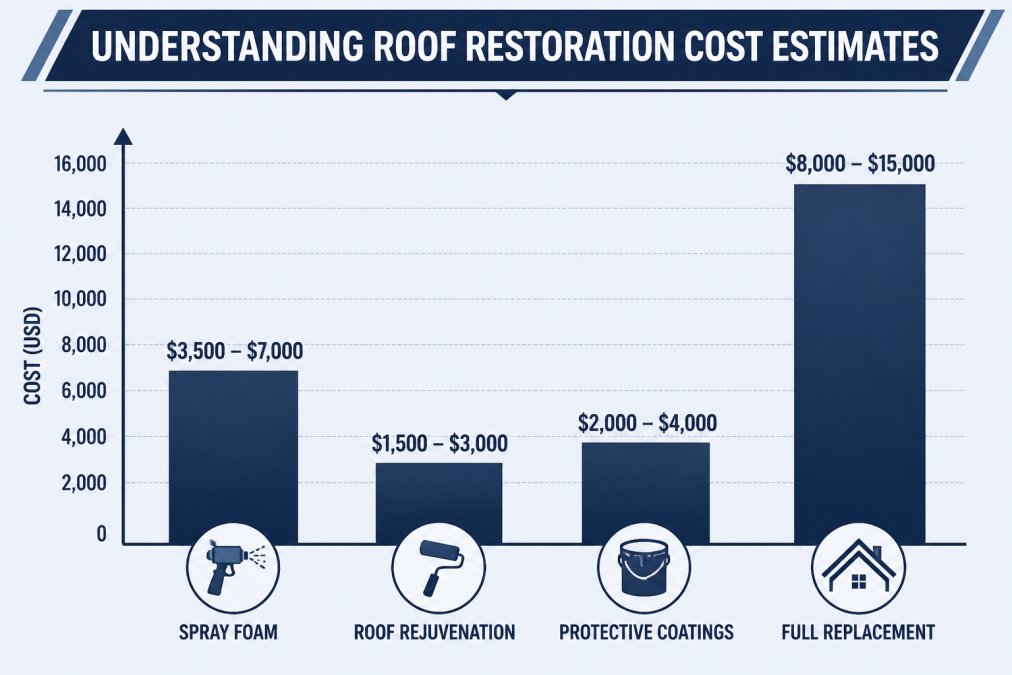
- Understanding Roof Restoration Cost Estimates
- DIY vs. Professional Assessment: Know Your Limits
- Insurance Claims and Roof Restoration
- Roof Maintenance Checklist for Long-Term Protection
- Frequently Asked Questions
Last Updated: September 25, 2026
How to Find Local Roof Restoration Services
Finding the right local roof restoration services requires more than a quick Google search. You need contractors who understand your specific roof condition, can offer cost-effective alternatives to full replacement, and have the credentials to back up their promises.
This guide breaks down how to identify, vet, and hire local roof restoration services that deliver real results.
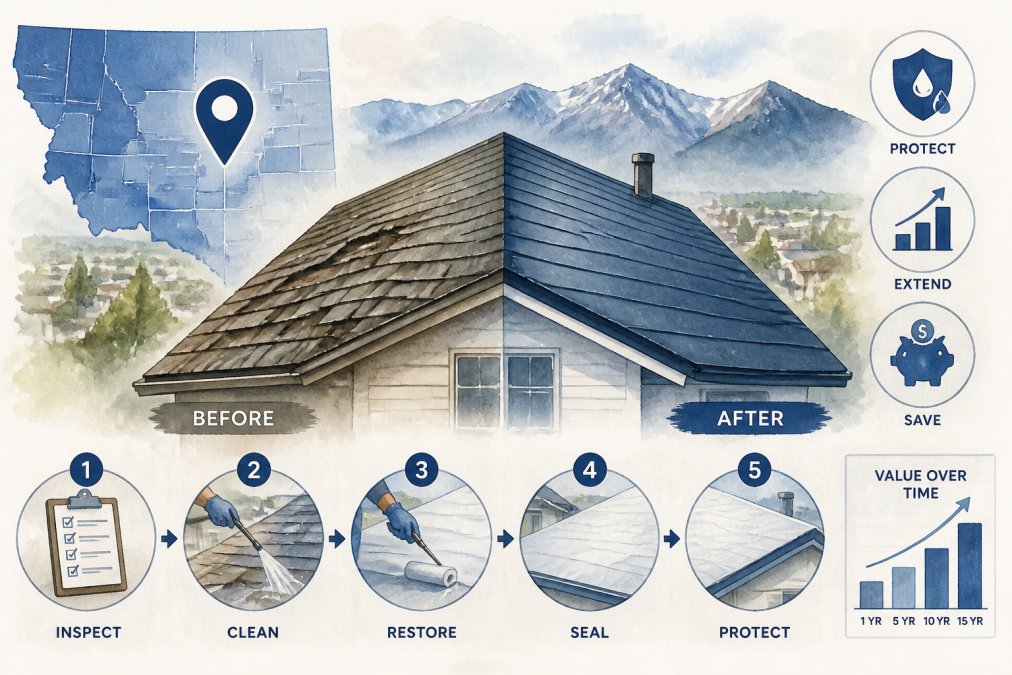
A thorough roof inspection reveals not just what's broken, but why it's breaking, insight that shapes every recommendation that follows.
Assess Your Roof: Inspection and Damage Detection
A proper roof assessment identifies damage severity, determines whether restoration makes sense, and informs your conversations with professionals.
Common roof damage signs
Knowing what roof damage looks like helps you catch problems early, when restoration options are still viable.
Water stains on ceiling or attic indicate moisture barrier failure. Curling or missing shingles expose underlying layers. Granule loss (black specks in gutters) means protective coating is deteriorating. Sagging areas suggest structural issues requiring more than surface restoration.
Flashing damage around chimneys, vents, and valleys is where water intrusion typically starts. Moss or algae growth indicates moisture retention. Pooling water after rain means your roof deck isn't draining properly.
When to call for professional roof inspection
Small repairs like replacing a few shingles or sealing minor leaks are manageable DIY tasks. But certain situations demand expert eyes.
Call a professional for widespread damage, structural sagging, extensive water intrusion, or to document storm damage for insurance claims.
Professional inspections assess the entire roof system, shingles, underlayment, flashing, ventilation, and deck, to determine remaining lifespan.
Many local roofing contractors offer free inspections. A quality report includes photos, identifies problem areas, and explains what each issue means for longevity.
Affordable Roof Replacement Alternatives to Full Replacement
Restoration alternatives extend your roof's lifespan significantly while keeping costs manageable compared to full replacement.
Spray foam roofing restoration
Spray foam roofing creates a seamless, waterproof barrier over your existing roof system, addressing the entire surface at once rather than patching individual areas.
Polyurethane foam is sprayed over the existing roof and coated with a protective layer. It works on asphalt shingles, metal roofing, and concrete, filling gaps and sealing flashing to prevent water intrusion.
Spray foam improves energy efficiency by adding insulation value, reducing heat absorption in summer and heat loss in winter.
Spray foam restoration extends roof life by 15-20 years at significantly lower cost than replacement.
Sun Flex Home Improvement specializes in spray foam roofing restoration with over 25 years of experience, saving property owners up to half the cost of a new roof.
Roof rejuvenation and coating options
| Restoration Method | Best For | Lifespan Extension | Cost Level |
|---|---|---|---|
| Spray foam | Severe damage, water intrusion, energy efficiency priority | 15-20 years | Medium |
| Roof rejuvenation | Aging asphalt shingles, minor deterioration | 5 years | Low |
| Protective coatings | UV protection, heat reduction, minor sealing | 5-10 years | Low |
| Full replacement | Structural damage, end-of-life roofs | 20-30 years | High |
How to Vet Local Roofing Contractors
Not all roofing contractors are equal. Licensing, insurance, and experience matter enormously. A contractor who cuts corners on credentials often cuts corners on workmanship.
Licensing, insurance, and BBB accreditation
Every roofing contractor should carry a valid roofing license. Verify your contractor's license status with your state's licensing board.
A contractor must carry general liability insurance and workers' compensation coverage. Request proof of current coverage and verify it directly with the insurance carrier.
Check the contractor's BBB profile for complaint history and how they've responded to issues.
Ask how long the contractor has been in business.
Checking references and local portfolios
Ask for at least three references from jobs completed in the last two years. Call and ask: Did work stay on schedule? Was the crew respectful? Any issues since completion? Would you hire them again?
Ask the contractor for photos or addresses of completed restoration projects in your area. Look for quality craftsmanship, attention to detail, and clean job sites.
Ask how the contractor handles unexpected problems and whether they communicate transparently. References will reveal if they stand behind their work.
Check online reviews on Google, Yelp, and BBB. Look for patterns in feedback and how the contractor responds to criticism.
Understanding Roof Restoration Cost Estimates
Cost estimates vary wildly depending on roof size, damage severity, and restoration method. Understanding what drives pricing helps you spot unrealistic quotes and compare value accurately.
What affects restoration pricing
Roof size is the primary cost driver. Pitch and complexity matter too, steep roofs require more safety equipment and longer labor.
Damage extent determines whether restoration is viable. Minor damage needs targeted repairs; widespread damage requires full-surface restoration like spray foam.
Material selection affects price. Spray foam costs more than rejuvenation but delivers longer-lasting results. Your roof's condition determines which option makes financial sense.
Access and site conditions matter. Roofs surrounded by trees or with multiple obstacles take longer, increasing labor costs.
Getting multiple bids and comparing value
Never accept the first estimate. Get at least three bids from different contractors. This reveals whether one contractor is significantly overpriced or underpriced relative to the market.
Compare bids carefully. A lower price might reflect cut corners on materials or labor quality. A higher price might include warranty coverage or premium materials that justify the cost. Look at what's included: Does the estimate cover cleanup? Disposal of old materials? Warranty? Timeline?
Ask contractors to explain their pricing. Why does one estimate $4,000 and another $6,000 for the same work? The difference might be material quality, warranty length, or labor approach. Understanding the reasoning helps you evaluate value.
Beware of bids that seem too good to be true. A contractor significantly undercutting competitors often cuts quality to maintain profit margins. They might use inferior materials, rush the job, or disappear if problems emerge.
The best bid isn't always the cheapest. It's the one that delivers quality workmanship, clear warranty terms, and a contractor you trust. Sun Flex Home Improvement offers free estimates so you can compare options without obligation.
DIY vs. Professional Assessment: Know Your Limits
Some homeowners attempt roof repairs themselves to save money. Understanding when DIY is appropriate and when professional expertise is essential prevents costly mistakes.
Minor repairs are reasonable DIY projects if you're comfortable on a ladder. Replacing a few shingles, clearing gutters, or sealing small gaps are manageable tasks. You need basic tools, shingle replacement materials, and roofing cement. Follow manufacturer instructions carefully.
Comprehensive assessment requires professional expertise. Determining whether your roof needs restoration or replacement involves evaluating structural integrity, water intrusion patterns, and remaining lifespan. A professional contractor has tools and experience to make that assessment accurately. Your visual inspection misses hidden damage that affects the decision.
Safety is the biggest DIY concern. Falls from roofs cause serious injuries (the CDC). If your roof is steep, icy, or damaged, professional crews with safety equipment are essential. They carry insurance that protects you if an accident occurs.
Cost savings from DIY repairs are often illusory. A botched repair leads to bigger problems. Water intrusion from improper sealing can damage interior structure. A poorly replaced shingle fails prematurely, requiring repeat work.
The best approach: Handle minor maintenance yourself. Call professionals for assessment, significant repairs, and restoration decisions.
Insurance Claims and Roof Restoration
Storm damage often qualifies for insurance coverage. Understanding how insurance works with restoration helps you maximize benefits while avoiding claim denial.
Roof Maintenance Checklist for Long-Term Protection
Regular maintenance extends your roof's lifespan and prevents costly damage. A simple checklist helps you stay on top of essential tasks.
- Inspect roof annually, preferably in spring after winter weather
- Clear gutters and downspouts of debris
- Check for moss, algae, or lichen growth
- Look for missing, curling, or damaged shingles
- Inspect flashing around chimneys, vents, and valleys
- Check attic for water stains or leaks
- Trim tree branches overhanging the roof
- Check roof ventilation to ensure proper airflow
- Seal any visible gaps or cracks with roofing cement
- Document condition with photos for insurance purposes
Frequently Asked Questions
How do I know if my roof needs restoration or replacement?
Roof restoration works best if your structure is sound but the surface shows wear. Look for leaks, missing shingles, or deteriorated flashing. If your roof's underlying deck is intact, restoration can extend its life. However, if structural damage is visible, multiple layers of roofing exist, or the deck is rotting, full replacement may be necessary. A professional roof inspection provides certainty.
What should I look for in a local roofing contractor?
Verify licensing and current insurance coverage, check BBB accreditation, and request references from recent local projects. Ask about warranties on both materials and workmanship. Compare estimates from at least three contractors, but don't choose based on price alone. Review online ratings, and confirm the contractor is familiar with your region's weather challenges.
What are the most affordable roof replacement alternatives?
Spray foam roofing restoration applies a durable, seamless coating over existing structures, often costing 40-50% less than replacement. Both preserve your existing roof system while addressing leaks and weathering. Your contractor can assess which option fits your roof's condition and budget.
How much does roof restoration typically cost?
Pricing depends on roof size, material type, damage severity, and your location. Spray foam restoration generally costs less per square foot than full replacement. Get free estimates from local contractors to understand pricing for your specific property. Request a detailed breakdown of labor, materials, and any warranties included.